
We have heard about industrial chemicals and their role in life through books, newspapers or mass media, so how do you understand industrial solvents? What are their effects and how is the chemical industry developing today? Follow the content of the following article carefully, you will understand clearly what industrial solvents are!
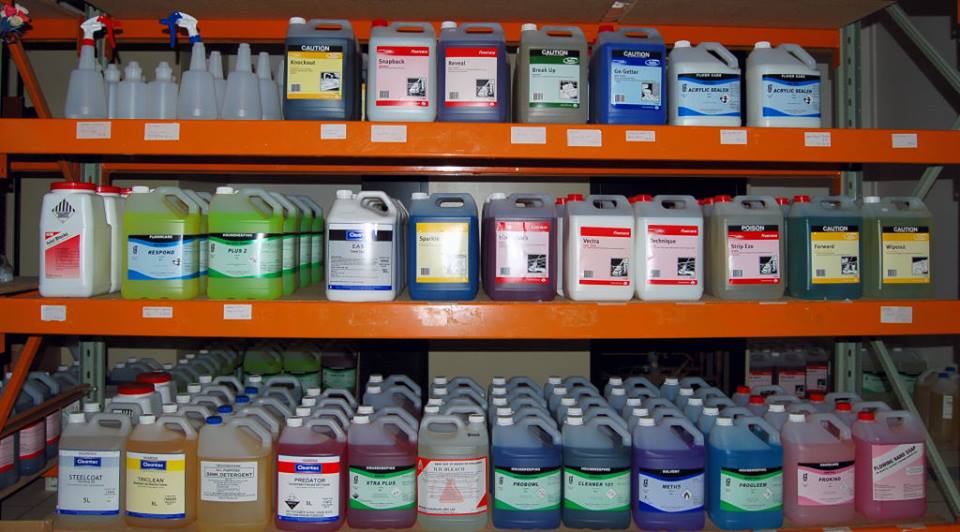
Chemical solvents used in industry
Learn about chemicals
According to the definition of chemical science: Chemicals are substances that exist in many different forms such as solid, liquid, gas and synthetic... On the other hand, chemicals can change their original properties when affected by factors such as weather and temperature.
What chemicals are used in industrial manufacturing processes?
Please understand it in the following simple way: industrial chemicals are a form of matter. Industrial solvents include products made from chemical elements and they are used in various industries.
Industrial solvent products that exist around us include: hair dyes, pesticides, colorants or detergents...
Because of their unique characteristics, industrial chemicals are divided into 3 types of chemicals to meet the needs of use in the industry, specifically:
Industrial chemicals produce three types of chemicals:
Petroleum-derived chemicals: are chemicals produced from petroleum and natural gas.
Polymer: A type of plastic, also known as plastic or polymer compound, these are compounds with very high molecular properties, currently this source of raw materials is widely used as materials for the production processes of many types of items in daily life. Thanks to their ease of use and high durability, they are raw materials that can be deformed into any shape when subjected to heat, high pressure and still maintain the required deformation when no longer affected by the heat source.
Basic inorganic compounds: These are chemicals that have a relatively low cost of ownership and can be used throughout manufacturing and agriculture. They are produced in very large quantities, some in the millions of tons a year, and include chlorine, sodium hydroxide, sulfuric and nitric acids, chemicals, and fertilizers.
Learn about specialty industrial chemicals
Specialty chemicals include chemicals for crop protection, paints and inks, colours (dyes and pigments) and chemicals used by various industries such as textiles, paper and engineering.

